
Gravity: Analog Electrochemical CO2 Threshold Alarm Sensor for Arduino (0-10000 ppm)
5.640,00 EGP
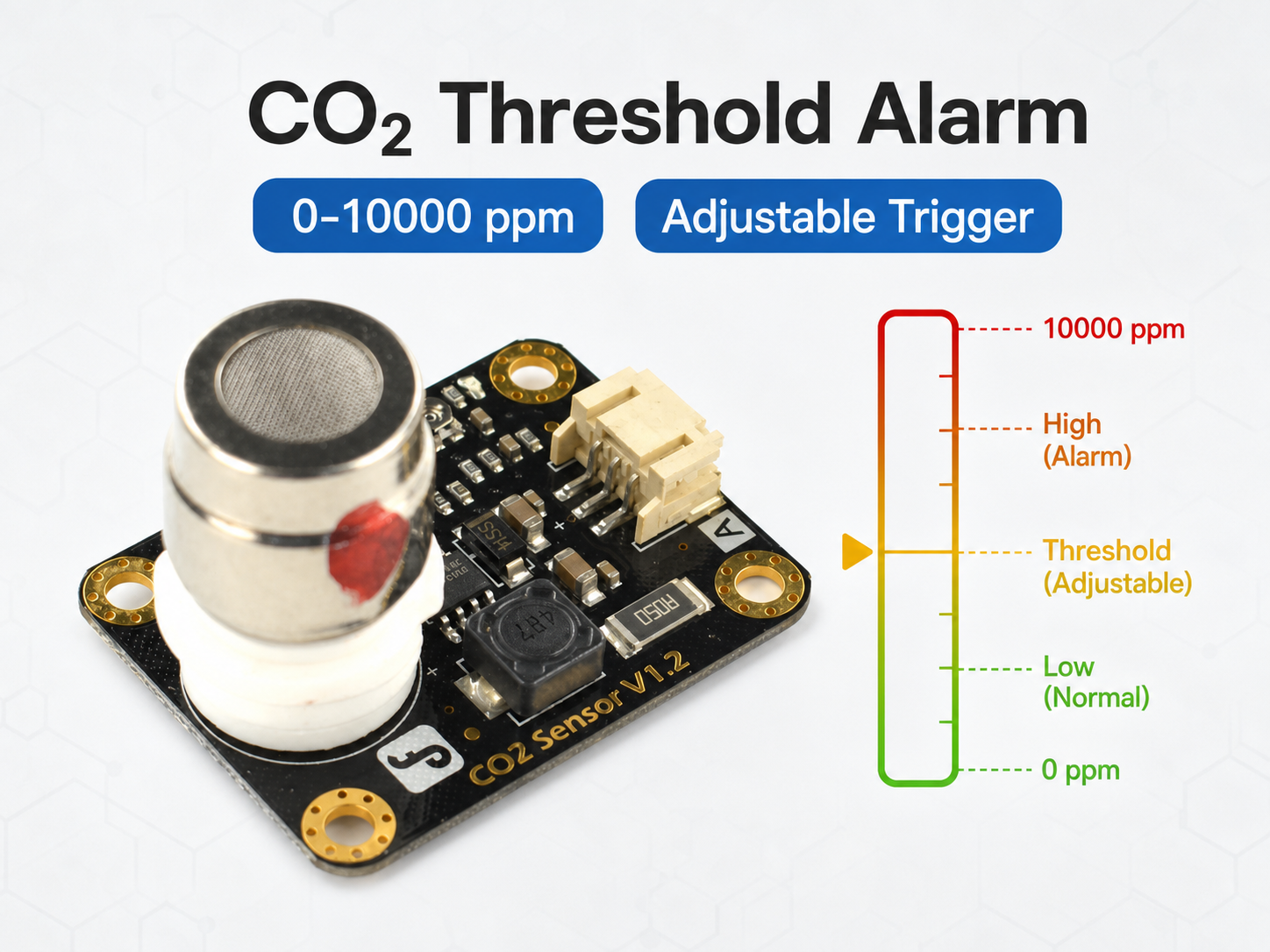
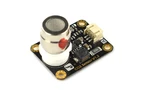
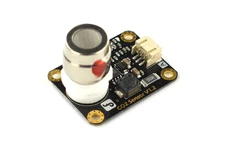
The Gravity: Analog Electrochemical CO2 Sensor is a module designed for detecting high concentrations of carbon dioxide and triggering an automated response. Based on the proven MG-811 sensor core, its primary function is to act as a simple, threshold-based switch. An onboard potentiometer allows for the manual setting of a specific CO₂ concentration level. When the ambient CO₂ exceeds this preset point, the sensor provides a clear digital signal, making it straightforward to implement event-driven systems like safety alarms or ventilation controls. With a wide detection range of up to 10,000 ppm, it is well-suited for monitoring environments where CO₂ can accumulate to significant levels, such as fermentation chambers or mushroom cultivation tents.

Gravity: Analog Electrochemical CO2 Sensor
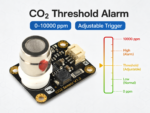
Simple Threshold Alarm for High-CO₂ Events
The CO2 detection module’s core feature is its function as a simple comparator. By adjusting the onboard potentiometer, a user can define the exact CO₂ level that triggers an alert. When this threshold is crossed, the digital output (DO) pin changes state, providing an unambiguous “go/no-go” signal. This allows for the creation of simple logic-based systems (e.g., IF CO₂ level is high, THEN activate relay) without needing complex code to interpret analog data.
Wide Detection Range for Specialized Environments
Engineered to perform in environments far beyond typical room air, this sensor can detect CO₂ concentrations up to 10,000 ppm. This capability makes it a practical tool for specific applications where high CO₂ is a key process variable. It enables reliable monitoring for projects such as triggering ventilation in a mushroom farm, creating a safety alert for wine or beer fermentation vessels, or monitoring small-scale bioreactors.
Flexible Dual Analog & Digital Outputs
The CO₂ detection sensor provides both analog and digital outputs for enhanced flexibility.
- Digital Output: Ideal for simple, immediate alarm systems. This signal can directly drive a relay, buzzer, or indicator LED, serving as a reliable trigger.
- Analog Output: For more advanced applications, the analog output provides a voltage that correlates to the CO₂ concentration. This allows for data logging to observe trends over time. Note that electrochemical sensors require a stable temperature and humidity environment for best results and are better suited for observing relative changes rather than providing precise, calibrated ppm measurements.
Choosing the Right CO₂ Sensor?
With different technologies like NDIR, Electrochemical, and Photoacoustic, selecting the perfect sensor can be complex. The comprehensive guide breaks down the key differences and recommends the best sensor for 5 common project scenarios.
Selection Guide
CO2 Sensor Selection Guide


Applications
- Fermentation Process Control: Monitor CO2 levels in brewing or other fermentation processes to trigger ventilation when concentrations become too high.
- Mushroom Cultivation: Ensure optimal growing conditions by alerting when CO2 levels exceed the desired threshold.
- Basic Air Quality Alerts: A simple solution to detect poor ventilation in enclosed spaces like garages or basements.
Specification
- Operating Voltage: 5V
- Interface: Gravity Analog
- Outputs: 1x Analog, 1x Digital
- Onboard Circuitry: Heating Circuit, Signal Amplifier
- PCB Process: Immersion Gold
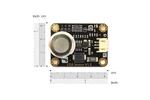
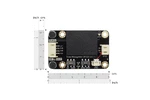
- Dimensions: 32x42mm (1.26×1.65″)
Shipping List
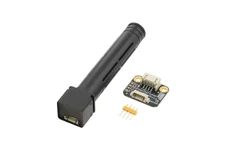
- Gravity: Analog Electrochemical CO2 Sensor (0-10000 ppm) x1


Reviews
There are no reviews yet.